A School Board’s Checklist for Choosing a CM/GC Contractor in Eastern Oregon
Start your projectBefore a school board approves a bond or seismic scope, it should ask its CM/GC contractor in Eastern Oregon for four things: a clear phasing plan, an open-book GMP structure, a prioritized list of alternates, and firm dates for long-lead procurement. Those four answers show whether classrooms can stay safe and open, how costs will be reported, which scope can flex, and whether critical components will arrive in time. With them in hand, a superintendent can explain the path to opening day in plain terms.
On most school programs, the first constraint is the academic calendar. The contractor should show how work fits summer windows, swing spaces, and testing periods, so teachers and students are not pushed out by construction. District leaders need to see how crews will isolate work areas, maintain egress, and schedule noisy activities. When those basics are settled early, the district can publish dates to families and keep them, which is the first thing parents and staff will judge the project on.
Boards also want to understand how the contractor will handle the Guaranteed Maximum Price. That comes down to consistent cost logs, timely buyout, and a clear process for owner review of allowances and contingencies. If the approach is defined in preconstruction, surprises later are less likely, and the budget stays predictable as the project moves out of design. The four sections below cover each question in the order a board should ask them.
Phasing and calendar commitments to lock before scope
A district leader can start by laying a printed calendar on the table and asking the contractor to place major activities against it. The team talks through graduation, state testing, and summer school, then blocks demolition, abatement, and heavy mechanical and electrical work where students will not be present. Next comes swing space, which often means moving a few classrooms or offices so crews can isolate an area and build continuously without daily setups and teardowns.
On a site walk, the superintendent should see exactly how the contractor will create secure partitions and protected routes. That includes hard barriers, negative air where abatement applies, and signage that keeps students and staff out of work zones. The foreman explains where deliveries will stage, which hours are quiet, and how the team will coordinate with custodial staff. Those details set the tone for safe daily operations on an occupied campus and show the board the contractor has done this before.
During the final weeks of summer, the focus shifts to commissioning and punch. The contractor should present a day-by-day plan that gives custodial staff access for cleaning while trades complete final inspections, with clear windows for furniture deliveries and IT installs. When that plan is agreed in spring, the board can be confident about the first day of school instead of hoping the last two weeks of August go well.
What a CM/GC contractor in Eastern Oregon should show you on costs
Before a board vote, the contractor should lay out how the GMP will be assembled and reported. That means line-item estimates tied to design milestones, a buyout plan with target dates, and a change-event log the district will see every month. When a board member asks what sits in contingency, the project manager can point to a defined list and the rules for releasing or returning it, rather than a single number with no explanation behind it.
Open-book reviews start in design, not after it. The preconstruction team should schedule regular estimate reconciliations with the architect and share value options with constructability notes, not just dollar figures. At the table, the superintendent hears which alternates reduce long-term maintenance and which save time with no loss of quality. That lets the board approve a budget that reflects real conditions rather than optimistic assumptions that fall apart on bid day.
Once buyout begins, the contractor should document every scope decision and vendor selection. That record includes bid tabs, scope review notes, and confirmation that the low bid is also the right fit for schedule and quality. When auditors or residents ask questions later, the district has a clean trail to show them, and the board does not have to rely on anyone’s memory of a meeting held two years earlier.
Alternates that protect the bond if prices move
Alternates are a board’s pressure valve when bids come in higher than planned. In working sessions, the contractor builds a small set of additive and deductive options that can be decided quickly after bids land. Good alternates do not break systems or finishes, and they preserve the program’s core promise to voters. They are designed during preconstruction, when there is time to think them through, rather than invented under pressure on bid day.
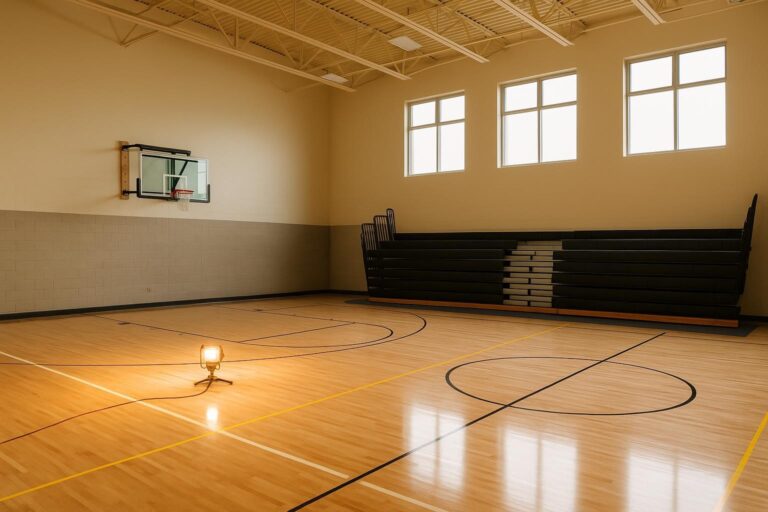
On a campus renovation, that might mean a gym floor finish with two equivalent options, one stocked regionally and one special order. The contractor explains the performance difference and the schedule impact if the second option slips. In classrooms, fixture packages and casework lines can be set up as clean alternates that change neither the layout nor code compliance, so selecting one does not trigger a redesign or a new round of plan review.
The superintendent will want each alternate labeled with a decision-by date and the people needed to make the call. When alternates are structured this way, the district can move quickly after bid day, issue notices of intent, and keep long-lead orders on track. The board gets real choices with known consequences, which is far easier to defend in public than a last-minute cut made without time to weigh it.
Long-lead procurement and how dates become real
Every board has heard about long-lead items, but members need to see dates tied to submittals and approvals. In preconstruction, the contractor drafts a procurement matrix listing equipment, doors and hardware, specialty flooring, and electrical gear, along with who approves each item and by when. The matrix also shows where early release packages make sense, so steel, casework, or switchgear can be ordered ahead of final construction documents.
On the job, the superintendent holds weekly check-ins on submittal status. The project engineer tracks when packages come back approved as noted, and the site crew plans workarounds when vendors ask for more time. When an item threatens the summer window, the team brings forward a substitution with equivalent performance and a lead time the schedule can absorb, along with the paperwork the architect needs to approve it quickly.
Delivery day matters as well. The foreman schedules lifts and large deliveries for off-hours, so materials move safely across campus without crossing student paths. With that level of planning, the calendar stops being a chart in a board packet and becomes a commitment the community can rely on, backed by a team that checks progress against it every single week until the doors open.
Frequently asked questions
Should a board ask about the calendar or the budget first?
Begin with the calendar. If the contractor can show a workable summer plan and occupied-campus phasing, the budget discussion has context. Once the board sees how the work fits the school year, it can weigh alternates, contingencies, and long-lead items against real dates and milestones rather than estimates in isolation.
How early should long-lead items be released on a school project?
As a rule of thumb, release critical items as soon as the design for that package is stable and approvals can be completed, often through early packages. The contractor should present a procurement matrix with decision-by dates so submittals, reviews, and fabrication do not threaten the summer turnover.
What documents make GMP transparency real for a school board?
Owners working with a CM/GC contractor in Eastern Oregon should see estimate reconciliations, line-item GMP exhibits, a live change-event log, and buyout documentation. Meeting minutes that capture scope decisions and contingency use matter just as much. Kept current from design through turnover, those files make board reporting and audits go smoothly.
A school board does not have to guess its way through a seismic or bond scope. McCormack brings disciplined preconstruction, clear phasing, and superintendent-led execution that keep school projects predictable and on time. For a district planning a summer window or a multi-phase renovation, McCormack is ready to lay out the path and commit to it before the board votes.
Start Your Project
Bring us the program, the site and the date. McCormack builds schools, public facilities and commercial projects across Eastern Oregon with superintendent-led execution, and we will come back with a realistic plan for budget, schedule and phasing.