

15 Jan How to Renovate Clinics Without Disrupting Care
Renovating a healthcare clinic doesn’t mean putting care on hold. Patients still need to be seen, staff need to move through their day, and everything from records to supplies still has to flow without interruption. That’s why the right clinic renovation contractor plans carefully to keep daily operations running smoothly.
Over the years, we’ve worked within medical spaces across Eastern Oregon and the surrounding region that were still busy with people coming and going. With more than 80 years of commercial construction experience, our team understands how healthcare facilities operate throughout the day. It takes steady planning and real awareness of what’s happening beyond the jobsite. There’s a way to get the work done while keeping care at the center, and that begins with listening, adjusting, and preparing every step to avoid surprises. Here are the steps we follow to make sure that happens.
How Early Planning Keeps the Work Predictable
When a clinic remains open during construction, unpredictability isn’t just inconvenient, it can interfere with patient care. That’s why consistency and foresight matter from the very beginning. We take time early on to meet with decision-makers, walk the space, and understand how the clinic operates day to day. The more insight we have upfront, the fewer adjustments are needed once work is underway. Scheduling plays a major role in that planning. Healthcare environments already operate on tight timelines, so construction hours are built around what will be least disruptive. In many cases, that means working early mornings, evenings, or weekends. We study peak appointment periods, staff schedules, and delivery or drop-off patterns to make sure critical areas remain accessible and patient flow is never compromised.
By understanding what’s happening in and around the building long before tools arrive on site, we’re able to keep care routines steady and predictable even as construction progresses. That early groundwork allows potential challenges to be identified before they become problems and gives staff confidence in what to expect at each stage of the project.
Creating Safe, Separated Work Zones
In a busy clinic, access to active construction can’t be loose or ambiguous. Patients need to feel confident about where they can walk and what areas to avoid, and staff should never have to second-guess pathways, exits, or circulation routes. That’s why clearly separating the work zone from occupied areas is such a critical part of the process. We rely on solid, well-planned barriers and dust-control measures that remain in place throughout each phase of construction. It’s not about hanging a temporary curtain or posting a warning sign and moving on. The space is planned so tools, equipment, and crews have a defined path, and patients and staff have theirs. Walls are used to block noise and dust, signage is kept clear and intuitive so it blends naturally into the environment, and emergency routes are maintained and unobstructed at all times.
That physical separation allows the clinic to function with confidence, even while work is underway. As the project progresses and needs shift, work zones are adjusted to match the flow of the building. The goal is always the same: patients move easily to the care they need, staff can focus on their work without added stress, and safety, clarity, and peace of mind remain consistent from start to finish.
Phasing the Work for Minimal Disruption
Rather than renovating an entire clinic all at once, we approach healthcare projects in phases, moving deliberately from one area to the next. This allows high-use spaces to remain open and functional while work progresses elsewhere, making steady progress without disrupting daily operations. Phasing often means starting in back-of-house areas, storage rooms, or secondary spaces while waiting rooms and treatment areas continue to serve patients. In some cases, rooms may be temporarily reassigned so care can continue uninterrupted while adjacent spaces are completed. This flexibility helps maintain continuity without forcing closures or rushed transitions. An on-site superintendent plays a key role in keeping this approach on track. Their daily presence allows the plan to adapt as conditions change. They monitor safety, coordinate transitions between work zones during off-hours, and ensure systems like electrical, HVAC, and plumbing are rerouted ahead of time. Just as importantly, they pay close attention to how the clinic is functioning day to day and make adjustments as needed.
With consistent oversight and active coordination, surprises are minimized and trust is built with staff and administrators alike. Phased construction helps clinics maintain their usual rhythm, with upcoming changes communicated clearly and well in advance. In healthcare environments where unexpected pauses aren’t an option, that level of flexibility and planning makes all the difference.
Clear Communication With the Whole Team
On projects like these, communication is never excessive. Clinics are busy environments with many different routines, and uncertainty about what’s happening or when work will move nearby can create unnecessary stress. Clear, consistent updates help everyone feel informed and prepared rather than caught off guard. We rely on straightforward communication that fits naturally into the clinic’s day-to-day rhythm. Regular walkthroughs with clinic managers and care staff keep expectations aligned, while posted notices outline upcoming phases and temporary changes. On-site contact information is always visible so questions can be answered quickly, and plans for future work areas are shared in advance so transitions are anticipated rather than surprising. This level of transparency helps prevent last-minute schedule changes and reinforces respect for the work happening inside the building. Healthcare environments don’t pause, and our planning and pace reflect that reality. By keeping meetings concise and updates easy to follow, we make sure staff can stay focused on patient care while construction progresses smoothly around them.
What to Expect From a Trusted Contractor for your Clinic Renovation
Not every contractor is comfortable working inside a clinic while it remains open. It’s not just about tools and materials. The job takes a steady hand, a flexible mindset, and full awareness of medical standards like infection control, privacy, and equipment handling. When you’re working with a healthcare renovation contractor who’s done it before, you’ll notice a few key habits:
- Familiarity with HIPAA standards and how to work around protected areas
- Crews who move with purpose, stay organized, and stay out of the way
- On-site leadership that makes changes in real time without slowing things down
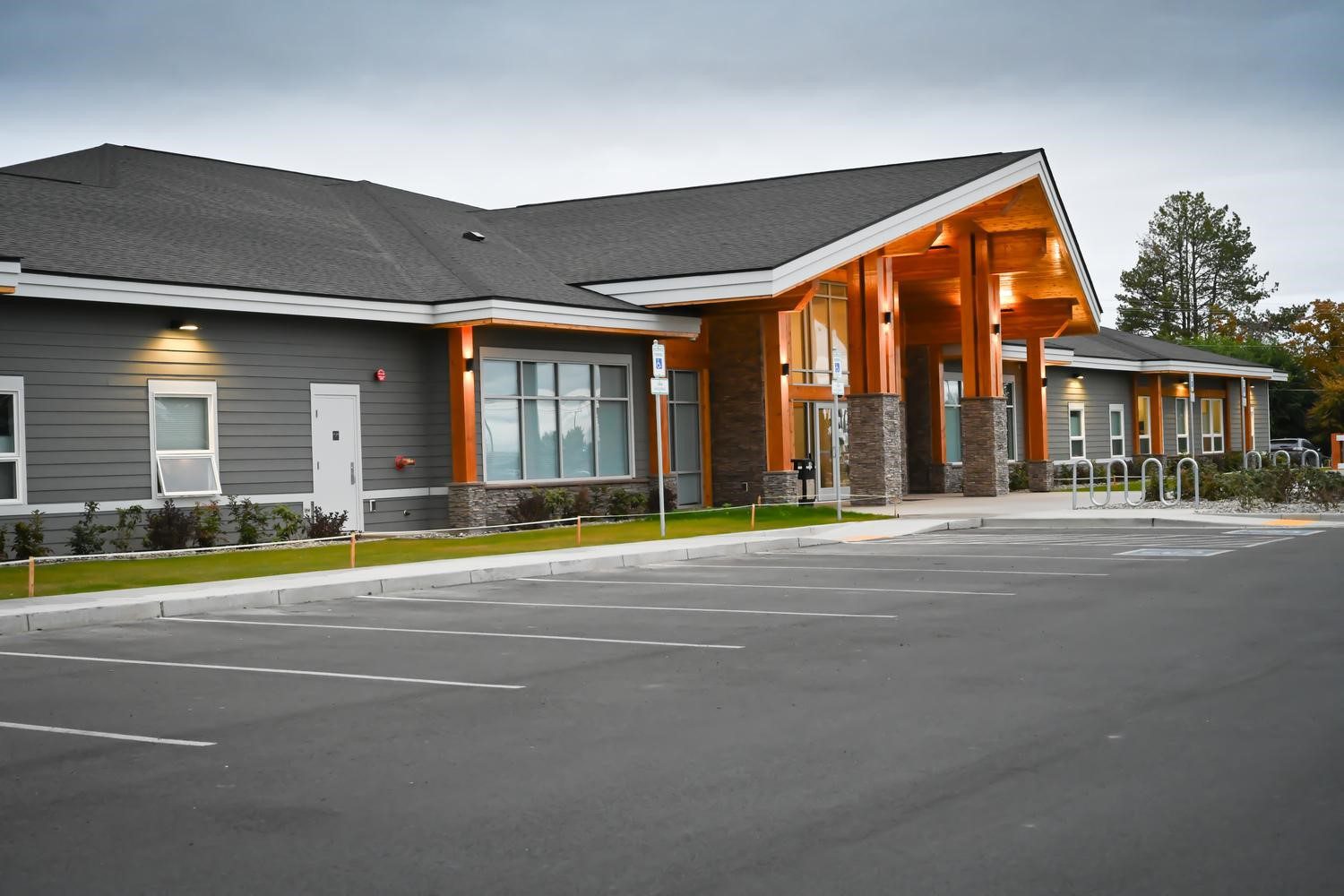
Our healthcare work includes projects such as New Directions Clinic, and Columbia River Community Health Services Clinic, so we bring real clinic experience to each renovation. We keep our structure steady by self-performing parts of the build like concrete and carpentry. That lets us adjust to scheduling needs more easily, making sure we don’t leave care teams waiting while someone else catches up. From the first introduction through the final walkthrough, trustworthy contractors make it their business to act as good neighbors inside your clinic. Teams who take responsibility for safety, privacy, and cleanliness help clinics meet their care commitments.
Keeping Patient Care First, Every Step of the Way
A healthcare renovation isn’t about speed or fancy upgrades. It’s about improving a space while the people inside continue to do important work. That can’t happen unless every step is thought through, led with care, and built to fit how the place really works. Done right, these projects happen with little noise, little dust, and no confusion. Patients still check in, rooms stay open, and providers don’t lose momentum. The ones using the space every day are the ones we build around, and that’s how it should be. By pacing ourselves with purpose and working with care, we help clinics stay focused on the work that matters most. At McCormack, we know that clinic updates need to support, not disrupt, the work of care providers. Whether it’s a small interior change or a larger upgrade across departments, we take time to plan around what matters most to the people inside. Choosing the right clinic renovation contractor means working with a team that understands timing, communication, and safety from the ground up. Let’s talk about how we can help your clinic stay open and steady while the work moves forward. Give us a call to start the conversation.