

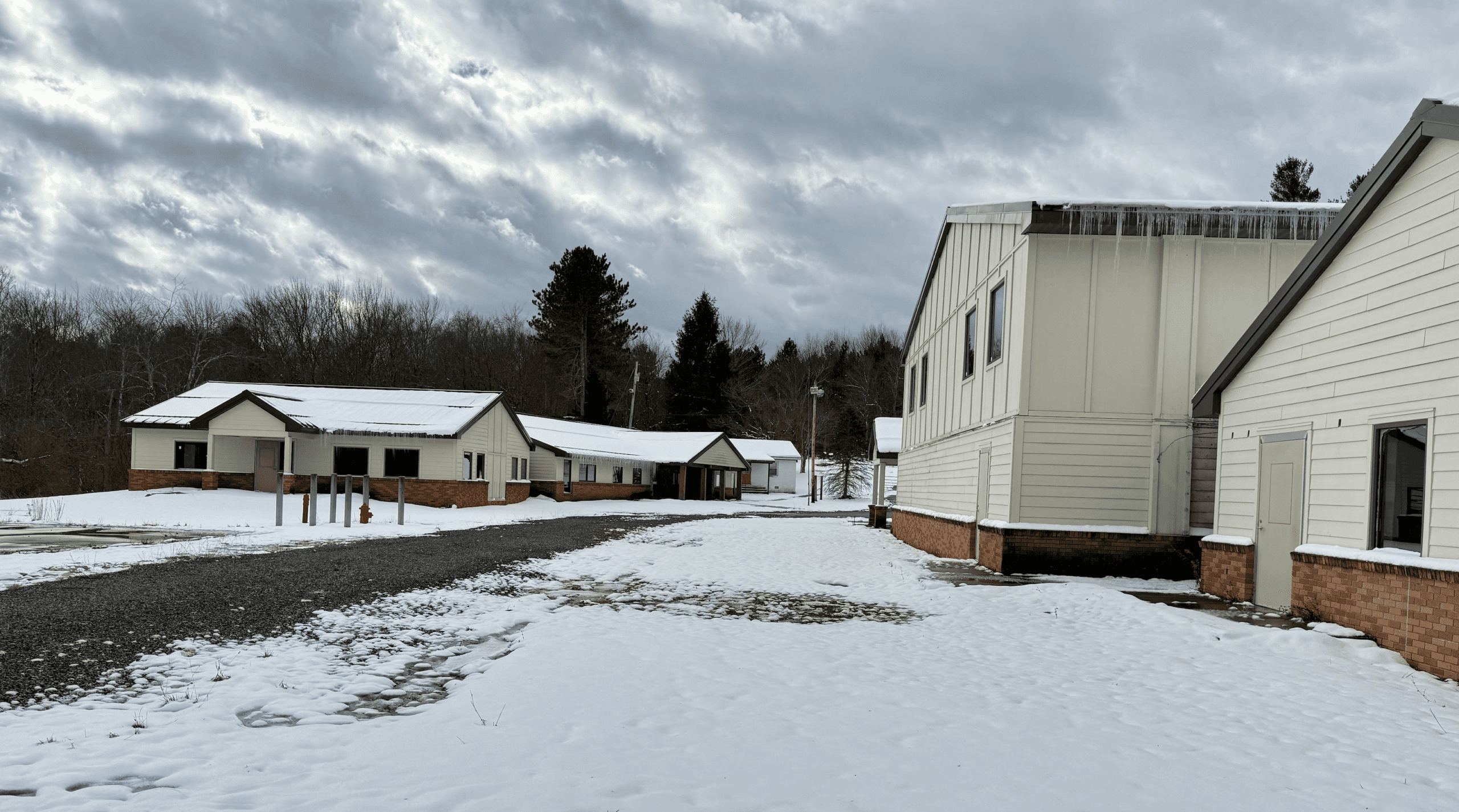
01 Dec Why Pre-Winter Sitework Prep Matters for Workforce Housing Projects
Preparing large-scale construction sites before winter hits is one of the smartest ways to keep a workforce housing project on schedule. For any housing development sitework contractor working in Eastern Oregon, it’s not just about staying ahead of snow or rain. It’s about building in time for the unexpected and reducing the risk of delays when the cold settles in. Pre-winter prep gives crews a smoother path forward once the ground thaws in early spring. Without it, teams can run into issues that put their schedule and the project’s overall plan off track. Getting ahead of known seasonal obstacles makes sense for the long run, especially in areas where conditions can change fast. Here’s a look at why timing this early work matters and what it should include when planning a workforce housing build before winter. Contractors in the region, including McCormack Construction Company, have been planning around Eastern Oregon winters since 1937, so we know how much early groundwork can help.
Why Timing Matters More for Workforce Housing
Workforce housing developments rarely follow a simple construction path. These projects are often tied to specific delivery dates, community needs, and partnership deadlines, which leaves little room for setbacks. In Eastern Oregon, winter weather is a known constraint, making early sitework a necessity rather than a luxury. When groundwork starts too late, grading can stall if the ground freezes before elevations are finalized, trenching can become unsafe or impossible once soil hardens, and utility hookups may be pushed back for months, halting progress on framing and interior work. Rural sites add another layer of complexity, with longer material lead times and fewer backup subcontractors available. Starting sitework early helps protect the schedule and keeps the rest of the project moving when conditions tighten.
What Pre-Winter Sitework Should Include
A well-run housing build starts with the land itself. Before winter sets in, the site needs to be cleared, shaped, and stabilized, since sitework forms the foundation everything else depends on. Good pre-winter preparation includes clearing trees, brush, and debris that could otherwise be buried under snow, grading the pad to proper elevations while soil remains workable, and trenching early paths for electrical, water, or storm drainage installations. Crews that wait too long risk working in frozen conditions that slow progress significantly. Shaping the land while temperatures are still favorable saves time later, drainage improvements allow snowmelt to move safely away from footings and foundations, and early trenching helps keep utility timelines on track once warmer weather returns. Using modern construction equipment and technology during grading and trenching helps maintain productivity before temperatures drop.
How Local Conditions and Field Leadership Impact Workforce Sites in Eastern Oregon
Eastern Oregon brings a unique mix of weather, terrain, and access challenges that put real pressure on workforce housing schedules. Snow can arrive early in parts of the region, and temperatures often swing quickly between warm days and freezing nights. Those shifts create freeze-thaw cycles where trapped moisture expands and contracts, which can cause prepared pads to settle, shift, or crack if timing isn’t right. Access can add another layer of risk. Many rural sites rely on just one or two roads, and snow or heavy rain can quickly make those routes unsafe, delaying crews, equipment, and material deliveries. Soil conditions vary as well. Sandy soils behave very differently than clay when moisture lingers or refreezes, which means sitework plans need to respond to specific ground conditions rather than relying on a one-size-fits-all approach.
Once winter approaches, sitework activity may slow, but planning and coordination become even more critical. This is where strong field leadership makes a measurable difference. Pre-winter goals need to be clearly defined, tracked daily, and supported by a build plan that looks beyond a single season. With a superintendent on site and a disciplined schedule in place, crews stay focused, materials arrive when expected, and potential delays are identified early. If conditions change, whether due to weather, access issues, or unexpected site conditions, adjustments are easier to make because the project is not already behind. Local experience also matters. Crews familiar with Oregon winters can spot warning signs early, prioritize critical tasks, and flag problem areas before they escalate. Preparing a workforce site isn’t just about following a checklist. It’s about responding to real conditions with informed leadership when timing matters most.
Benefit of Early Prep in the Long Run
Housing sites prepped before winter are just easier to deal with once things thaw. Structures can go up faster, inspections unfold with fewer hiccups, and subcontractors stay in sequence instead of stepping over one another. Good groundwork protects the project’s shape from the very start. When the soil holds together, when the slope drains the way it should, crews can build with fewer corrections and less rework. We bring more than 80 years of commercial building experience in healthcare, educational, retail, and other facilities to that early planning, which supports consistent schedules on complex workforce housing sites. Workforce housing often supports growing communities. Getting those homes built on time matters. A strong start through thoughtful pre-winter prep helps make sure that happens, even through Oregon’s coldest stretch. Our work always starts with thoughtful planning, especially when the season brings added pressure. Getting early traction on workforce housing depends on having the right crew, steady coordination, and field-tested steps that work through Oregon winters. As a trusted housing development sitework contractor, we know the value of setting a strong foundation before the cold sets in. At McCormack Construction Company, we’re here to help keep your project moving from the ground up. Contact us to talk about your timeline.